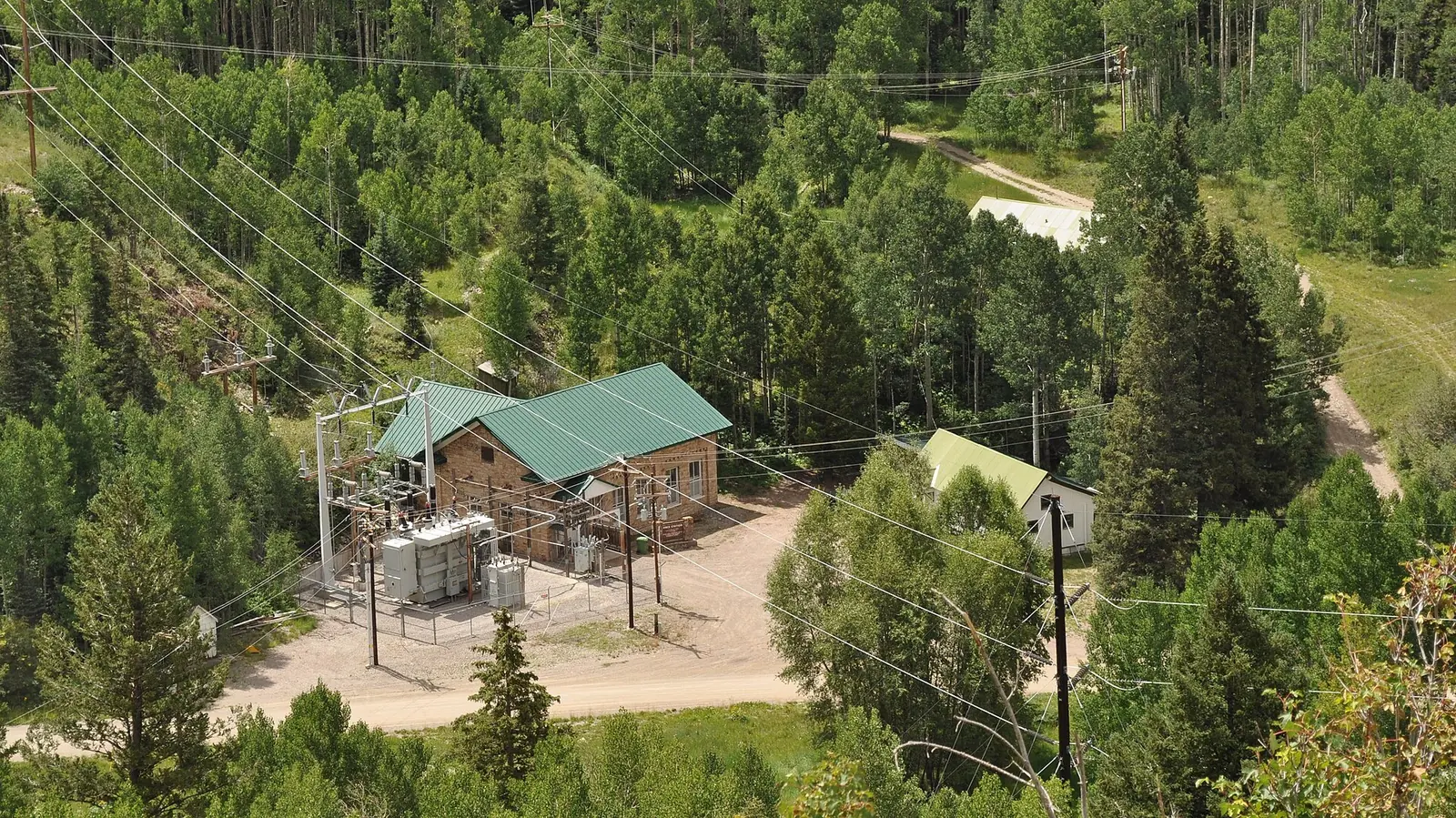
San Miguel Power Association has posted proposed electric rates for 2027 that would raise the monthly access charge on a standard residential account from $33 to $42. The cooperative's proposed tariff summary carries an issue date of October 29, 2026 and an effective date of December 15, 2026, and it is signed by Brad Zaporski, the association's general manager and chief executive officer.
For single-phase time-of-use customers, the class that covers most homes, the energy charge during the on-peak window of 4 p.m. to 9 p.m. would rise from 25 cents to 31 cents per kilowatt-hour. The off-peak energy charge would move from 11 cents to 11.3 cents per kilowatt-hour, according to the tariff summary.
Jeffrey Beall, CC BY 4.0, via Wikimedia Commons
What the other rate classes would pay
Members on the optional time-of-day peak power rate would see their access charge rise from $35 to $48 a month, their energy charge rise from 11.96 cents to 12.34 cents per kilowatt-hour, and their peak power charge rise from $3.50 to $4.75 per kilowatt. Three-phase time-of-use accounts would pay an access charge of $74, up from $54, with the on-peak energy charge rising from 24 cents to 31 cents per kilowatt-hour. On single-phase demand accounts, the access charge would rise from $43.50 to $59 and the demand charge from $18 to $21.25 per kilowatt, according to the tariff summary.
Jeffrey Beall, CC BY 4.0, via Wikimedia Commons
A shortfall measured in August
The proposal follows a cost-of-service study presented to the association's board of directors on August 25, 2026 by Benjamin Bratrud, a rate and financial consultant with Power System Engineering. Under the study's projections, the association would take in roughly $2.8 million less in 2027 than it needs, and an overall increase of about 8 percent would close the gap for operating expenses and the minimum margin the cooperative must hold, according to the board's approved minutes.
On a rate-of-return basis, the study put the needed increase at roughly 13 percent, enough to pay for planned capital work, keep capital credit retirements going and hold the association's equity position where it stands. The minutes stress that these were planning figures, not a recommendation on rates. The study also put the monthly fixed cost of serving the single-phase time-of-use class at $55.67, against the $33 access charge in place today.
Why costs are rising
On its rates page, the association says the increase is needed to meet projected 2027 operating expenses, including cost increases in wholesale power, tools, materials and insurance, along with increased fire mitigation operations.
Wholesale power is one of the association's largest expenses, and its October member newsletter said the price of power purchased from Tri-State Generation and Transmission is expected to increase another 6 percent to 8 percent in 2027, alongside higher costs for materials, labor, insurance, vegetation management and wildfire mitigation. As a member-owned cooperative, the association does not raise rates to generate profits for outside investors; its rates are set to recover the cost of providing service, the newsletter said.
The pressure was visible locally before the tariff was posted. On August 12, 2026, the association gave its annual update to the Norwood Board of Trustees, reporting that the Norwood tie line project was complete, so the Nucla and Norwood substations can now support each other, improving reliability. The trustees' minutes record that the association's board would weigh borrowing against rate increases in October, and that borrowing would further reduce the cooperative's equity position.
The access charge question
The association's November member newsletter says its board has been considering placing most of the increase in the fixed monthly access charge rather than in usage charges. Poles, wires, substations, equipment and insurance costs do not fall when a member uses less electricity, the newsletter says, and in 2026 fluctuating revenue against those fixed costs opened a growing gap between income and expenses. A greater reliance on the access charge can align revenue more closely with the underlying cost of providing service, the newsletter says.
The newsletter, which went to press in October, said no final decision had been made and that the board was weighing both the size and the structure of an increase. The proposed tariff summary, with its December 15, 2026 effective date, was issued on October 29.
A solar project meant to blunt future increases
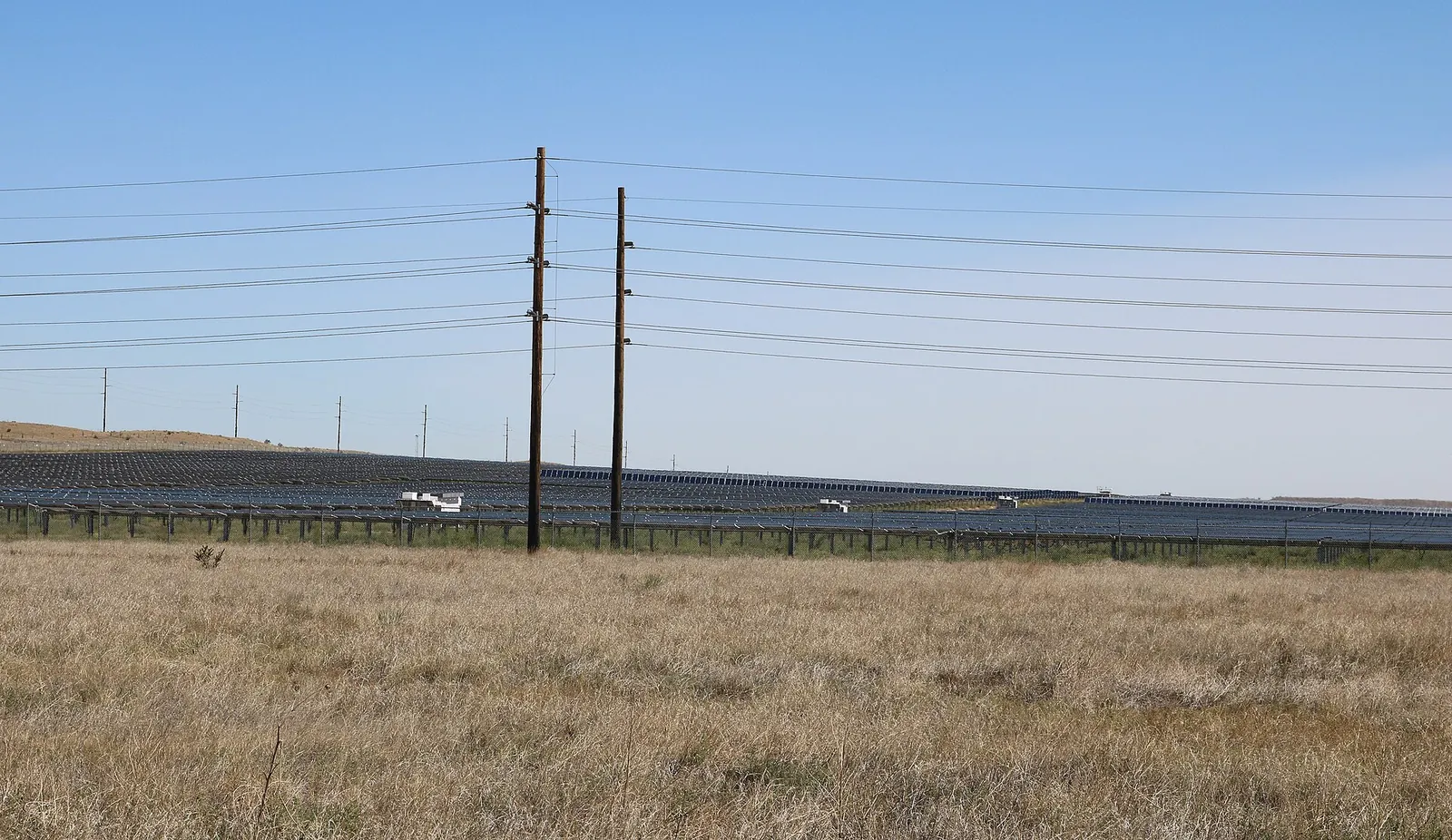
The November newsletter also describes a longer-term hedge. The association has joined Empire Electric Association, Gunnison County Electric Association and San Luis Valley Rural Electric Cooperative in a partnership to purchase power from the proposed Valley Range Energy Park near Cortez, a project developed by Accelergen Energy that would combine 125 megawatts of solar generation with a 62.5 megawatt battery storage system under Tri-State's Bring Your Own Resource program.
If the project is approved, the newsletter says, it could lock in a lower-cost rate for wholesale energy representing up to 40 percent of the association's wholesale power needs, and the partnership estimates more than $20 million in combined savings over 20 years, including nearly $5 million for SMPA members, beginning in 2030 when the project would come online. The project remains subject to approval by Montezuma County officials, and the newsletter estimates it would generate $13.9 million in property tax revenue over its lifetime.
Meetings and help with bills
The association is governed by seven directors elected by its members, and its board meetings are open to the public. Meetings are typically held on the fourth Tuesday of the month at 9:30 a.m., and the association directs members with questions about an upcoming meeting to its board page.
For members who struggle with winter bills, the association's rates page points to the Colorado Low-income Energy Assistance Program, which helps eligible households pay a portion of winter heating costs from November through April, with applications opening November 1, and to 211 Colorado, which connects residents with aid programs in their area.