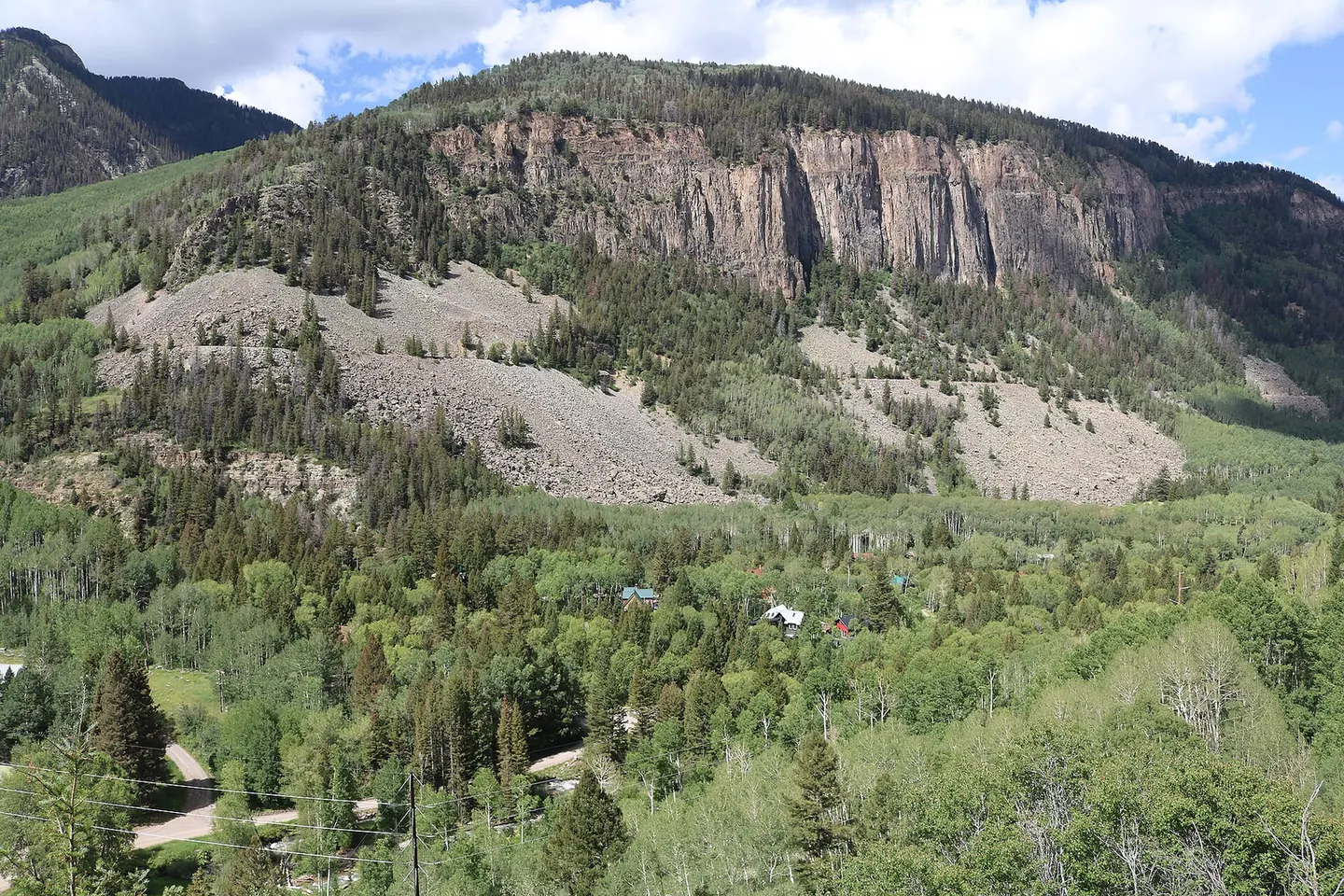
The two towns that have jointly owned and operated the region's wastewater treatment plant since 1985 are about a month away from deciding whether to hand the work to a government of its own. The Telluride-Mountain Village Sewer Authority Creation Agreement, in a draft the two towns describe as nearly final, went before the Mountain Village Town Council in a work session on Thursday, November 19, and the Telluride Town Council holds its own work session on the draft this month. Under the schedule in the Mountain Village staff memorandum, both councils would vote on adopting final versions in December, Mountain Village on December 10 and Telluride on December 15.
No vote was taken on November 19. The 40 minute session, presented by Assistant Town Attorney Haley Carmer and Interim Town Manager Michelle Bulson, was held to collect council feedback on the draft before it is finalized. The agreement would create a sewer authority under Colorado law as its own political entity, empowered to construct, own, operate and maintain a new regional wastewater treatment plant for the two towns, replacing an arrangement under which the towns have run the existing plant at Society Turn together for four decades.
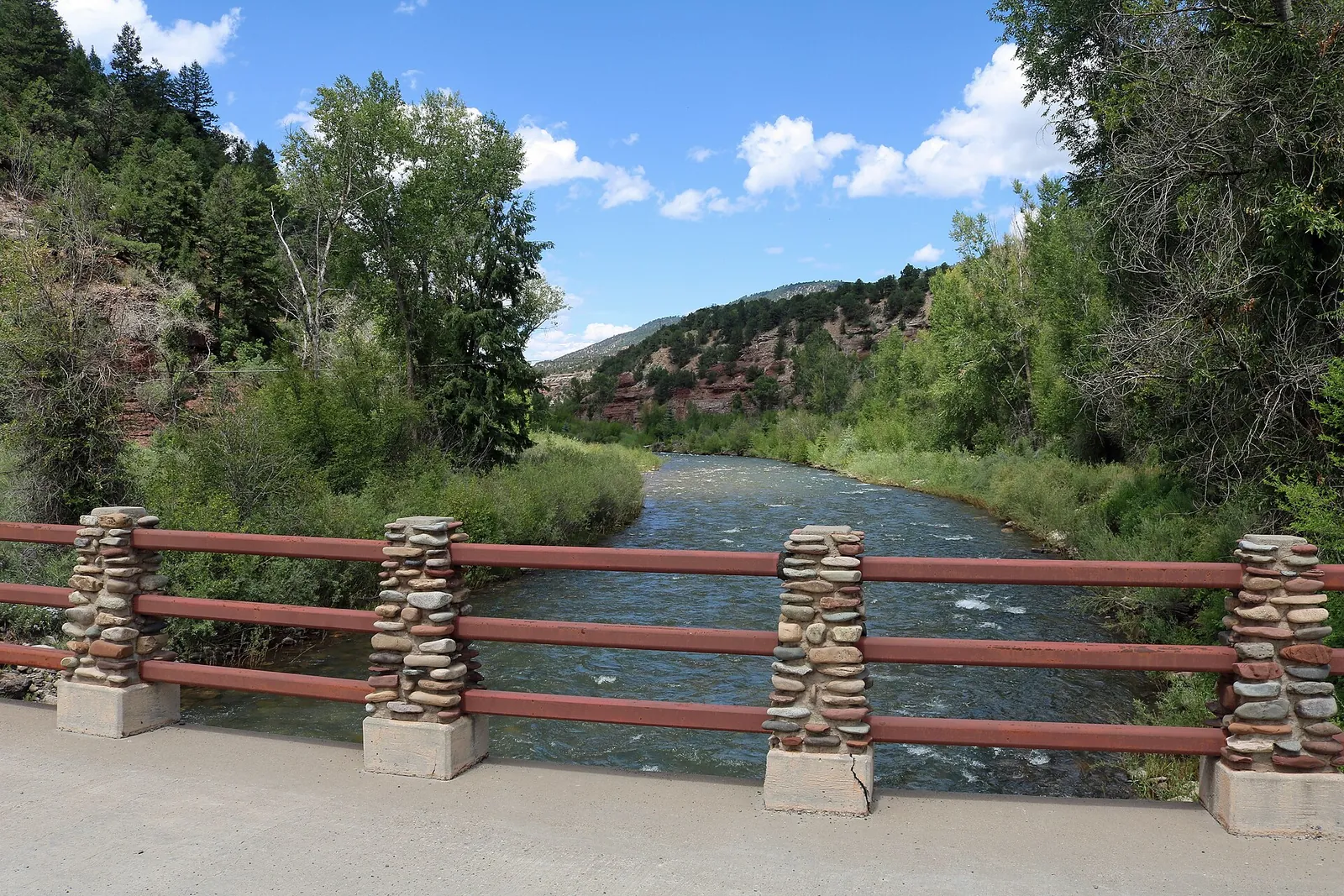
Jeffrey Beall, CC BY 4.0, via Wikimedia Commons
A plant at the edge of its capacity
The existing Telluride Regional Wastewater Treatment Plant treats sewage from Telluride, Mountain Village and the Aldasoro, Lawson Hill, Hillside, The Falls, Eider Creek and Brown Homestead neighborhoods in unincorporated San Miguel County, and it also takes in septage from across the greater Telluride region. Mountain Village owns 15 percent of the plant and pays 35 percent of its capital and operating costs, with the rest falling to Telluride. The Mountain Village memorandum describes a plant nearing its design capacity, with aging equipment and technology, at a time when state water quality standards keep getting stricter.
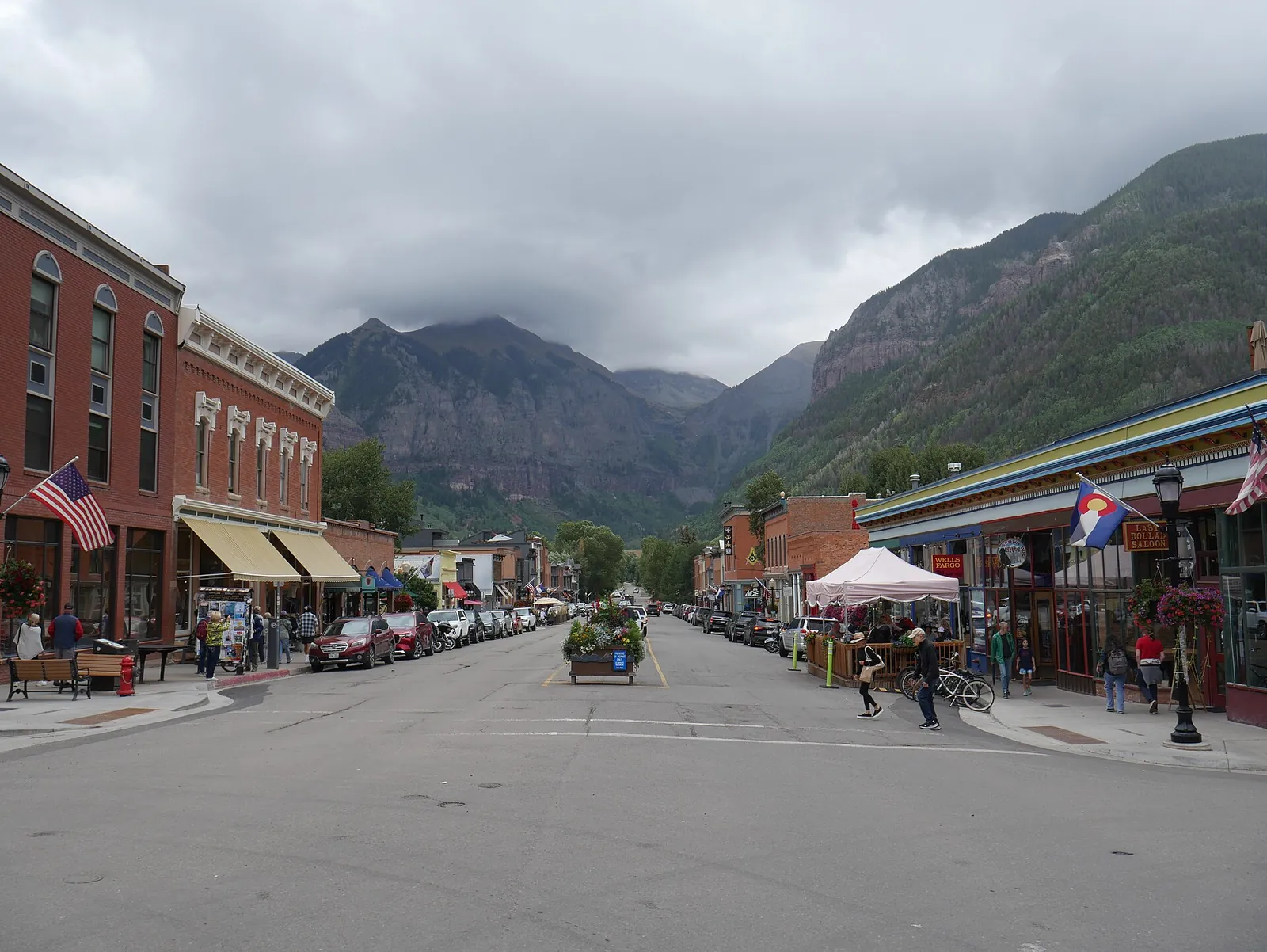
Sizzlipedia, CC BY-SA 4.0, via Wikimedia Commons
Telluride's project page for the plant adds the regulatory clock. The plant was originally built in 1987, with phases added in 1994 and 2002, and the page describes roof leaks, outdated wiring, boiler leaks and a failing ventilation system. Under the plant's Colorado discharge permit, a treatment plant must begin engineering and financial planning for expansion when throughput reaches 80 percent of capacity, and construction must begin at 95 percent. Telluride's page says the plant has reached the 80 percent threshold and that the organic load staff measure in the inflow triggers both the planning and the construction requirements.
Fixing the old plant in place no longer pencils out, according to the towns' analysis. The preliminary estimate for necessary upgrades and repairs grew from 30 million dollars in 2017 to nearly 133 million dollars several years later, and the work session presentation notes that the retrofit priced at 133 million dollars would have raised capacity only from 2.1 to 2.3 million gallons a day, enough, on the towns' estimates, to serve the region through 2047, on a site with little room to grow. In 2023 the two towns shifted from studying retrofits to planning a new regional plant, sized to serve both towns at full build-out, plus parts of unincorporated San Miguel County, over more than 20 years. The presentation puts the needed plant at up to 2.6 million gallons a day and notes that a new plant would also let gravity sewer lines reach east end neighborhoods that now rely on septic systems or small package plants.
The site and the road here
The new plant would be built on a five acre parcel next to Highway 145 and the state transportation department's maintenance shop, on land owned by the Alexander family. Mountain Village placed the property under contract in June 2024. A few months later the two towns signed a memorandum of understanding committing themselves to form the authority. The effort behind the draft workshopped this week stretches back nearly three years.
What the authority would look like
The core of the draft is a change in who carries the project. As its own political entity, the authority would have its own bonding authority and debt capacity, so the cost of the plant would sit on the authority's books rather than consuming either town's budget and borrowing room for other needs. The towns would be equal partners, sharing costs and governing power 50/50, a sharp change from the current 15 percent ownership and 35 percent cost share Mountain Village holds in the old plant. And wastewater would be the authority's entire mission.
A five member board would govern it. Each town appoints two members, who must be elected officials of their town when appointed, and those four choose the fifth member. San Miguel County may appoint a non-voting representative. Ordinary decisions take a majority vote, but the draft requires a supermajority to borrow more than 10 million dollars, to shut the plant down outside an emergency, to approve new sewer service outside a town, to expand the system, to add a member to the board or change its voting rules, to approve the plant's initial design and construction, or to amend the agreement itself. Board meetings would be open to the public, and the authority would be subject to the state's open meetings, open records and governmental immunity laws. An authority manager, appointed by the board, would run day to day operations.
Until the authority can sustain itself, the two towns would split the costs of preconstruction and feasibility work, operations and maintenance, and debt service evenly, and each town would make an initial contribution of 100,000 dollars. Mountain Village would convey the Alexander property to the authority, and Telluride would then reimburse half of what Mountain Village spent to acquire it.
The pipes change hands slowly. For at least the first five years of the new plant's operation, the authority would own and maintain only the collection line running from the existing plant to the new one, while each town keeps and maintains its own collection system, including the lines it runs outside its borders. Only after an outside consultant concludes that the authority is ready to run the larger system, with the organization, skills and funding to match, would it assume responsibility for all of the region's collection infrastructure. Until the system is unified, the authority would charge each town wholesale rates for treatment, and each town would keep setting its own rates and billing its own customers.
Who it would serve, and the one open question
The plant's capacity would be reserved first for existing development and 20 years of growth inside each town. The draft also covers areas outside the towns that are served today or are expected to be served under existing agreements, town owned property within the Telluride R-1 school district, areas a town designates to draw on its own reserved capacity, septage generated within San Miguel County, and other unincorporated areas that can physically connect and that the authority agrees to serve.
One substantive issue remains open: how the plant's reserved capacity is divided between the two towns. Telluride is preparing alternative language for that section of the agreement, and the towns agree that the split should account for treatment measures beyond flow volume alone. The concept in the work session presentation is that the board sets the initial allocation, which is finalized once the plant's design plans are 60 percent complete.
Off-ramps and next steps
The draft plans for failure as carefully as for success. If the board concludes that a new plant is not feasible, the authority dissolves and its remaining assets are split evenly, except that Mountain Village takes the plant property back as sole owner and repays Telluride's share of the acquisition cost with 3 percent interest. If the plant is feasible but one town cannot meet its funding obligations, the towns can agree to end the agreement, or one town can withdraw and leave the other to carry the authority forward alone.
If both councils adopt the agreement in December, cost sharing begins as soon as it is executed. The towns would then run a joint search for an owner's representative to manage the project, and a joint search for engineering and design services structured as a construction manager at risk contract. A rate study to model what customers will pay would follow once the plant's design reaches 20 to 30 percent complete.