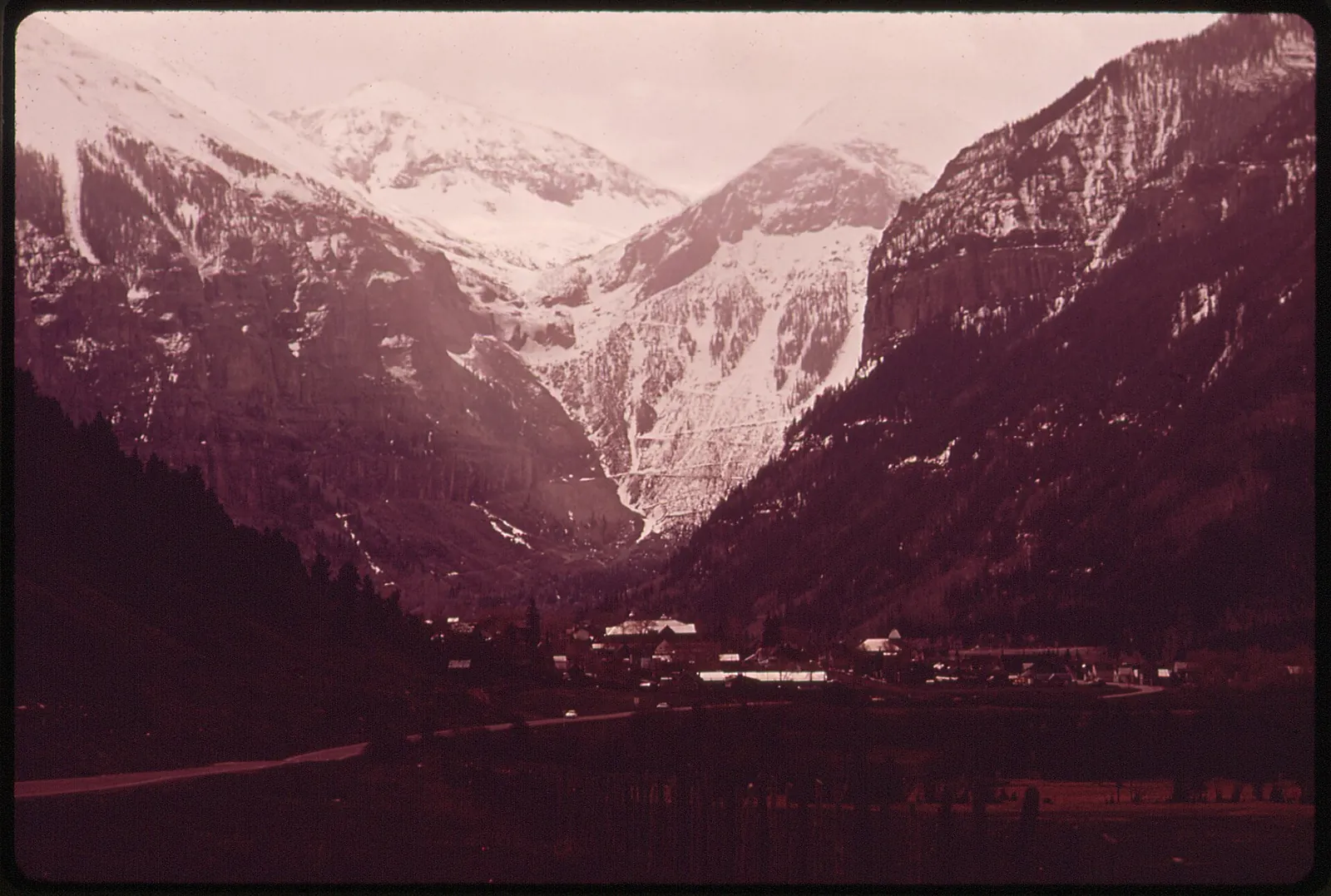
This is not a forecast. It is an explainer about how to read one, built entirely from the materials published by the Colorado Avalanche Information Center and the American Avalanche Association, retrieved October 2026. Conditions change daily; the current forecast for the North San Juan zone, Telluride's zone, lives at avalanche.state.co.us, and nothing here substitutes for checking it the morning you go.
The forecast itself
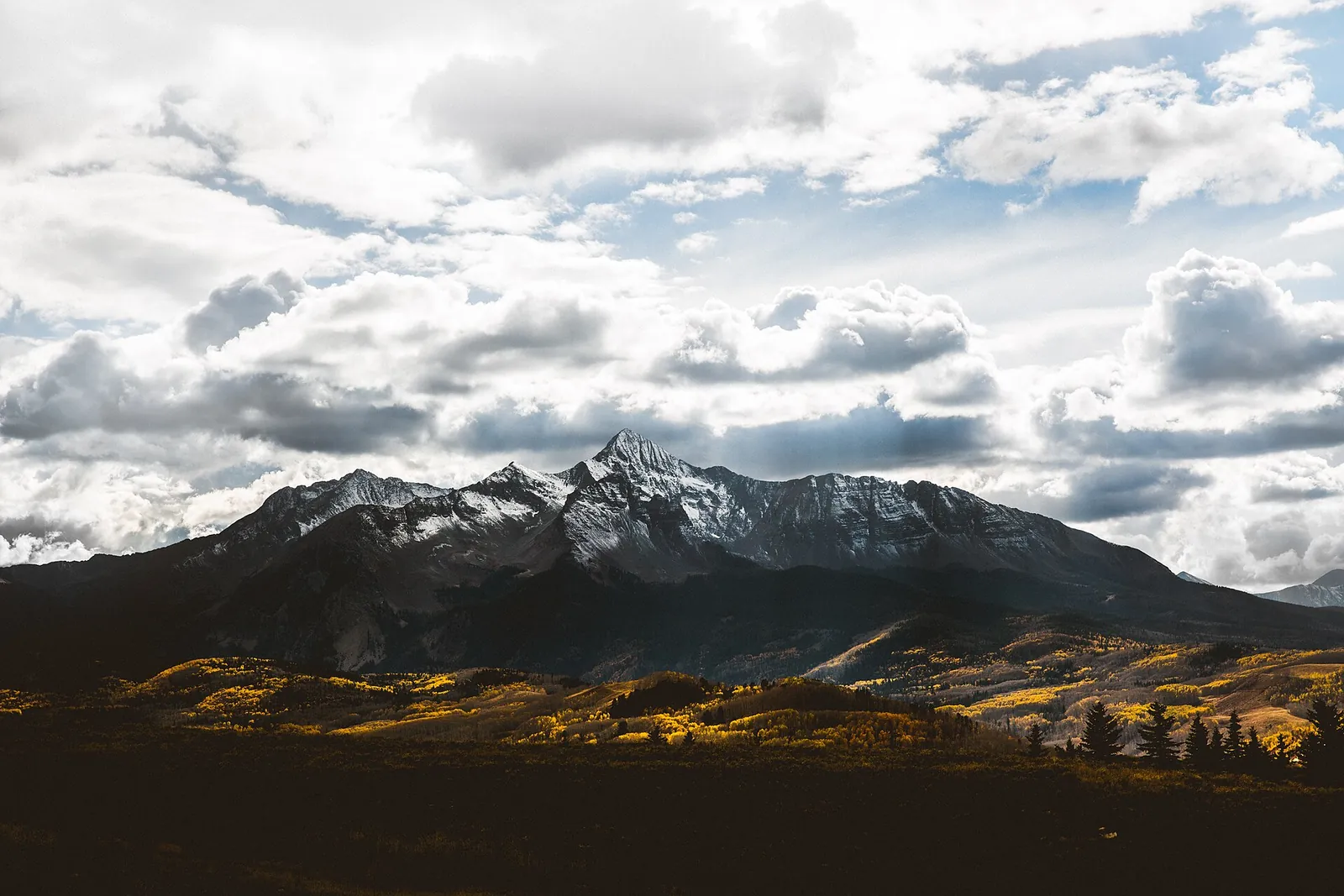
Thomas Kelley, CC0, via Wikimedia Commons
The CAIC issues avalanche forecasts each day by 4:30 p.m., and updates them whenever there are significant changes in conditions. The center's guidance is to check the forecast when planning a trip and again before heading out for the day. For people who prefer audio, the CAIC produces 60-second recorded summaries of current conditions every day for the Northern, Central, and Southern regions. The center also publishes weather forecasts for 21 mountain locations twice daily and runs its own weather models over the Colorado mountains.
The five levels
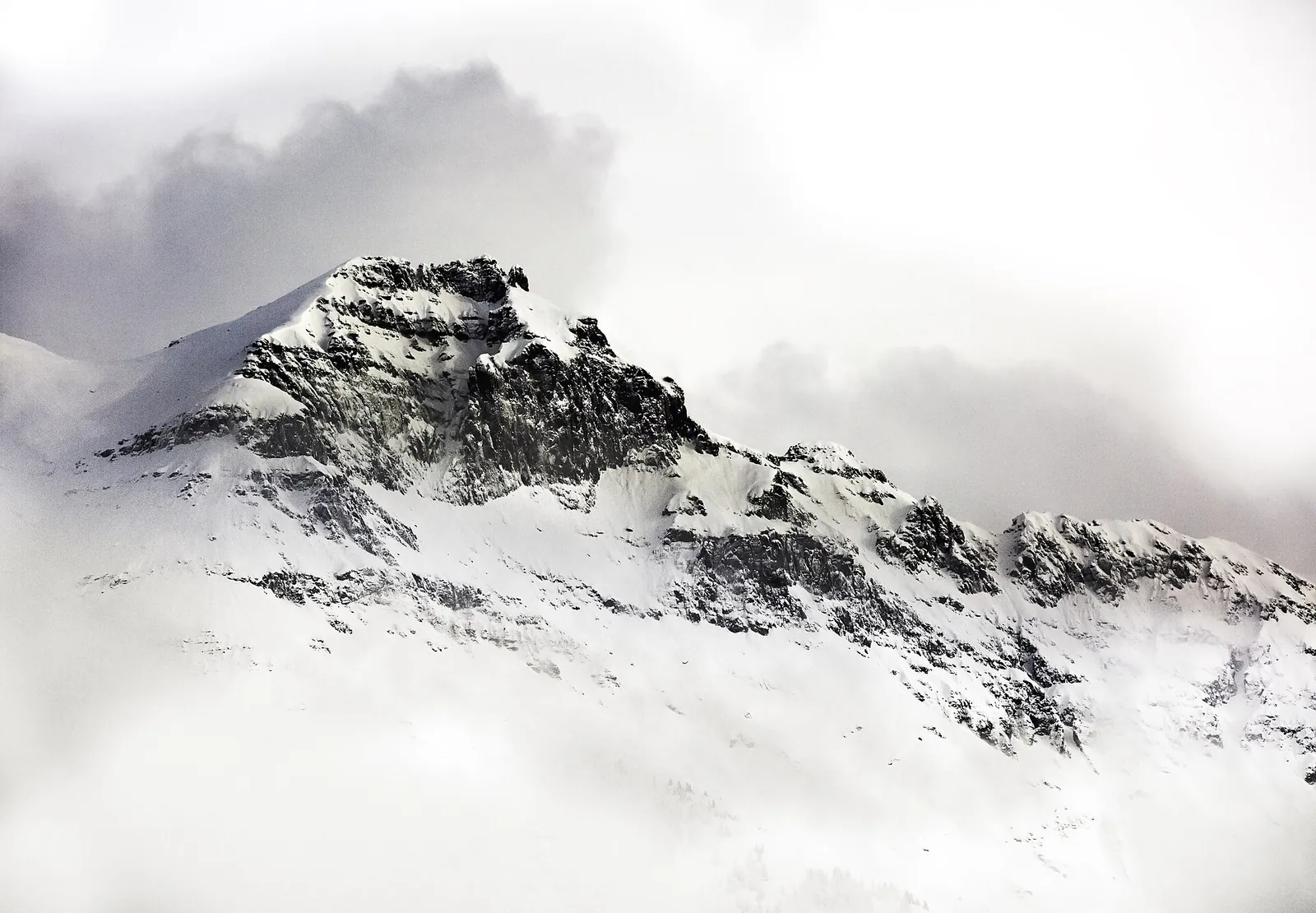
Thomas Kelley, CC0, via Wikimedia Commons
Every forecast centers on the North American Public Avalanche Danger Scale, which rates danger and gives travel advice based on the likelihood, size, and distribution of expected avalanches. It has five levels, from least to most danger: 1, Low; 2, Moderate; 3, Considerable; 4, High; 5, Extreme. Ratings are typically given for three elevation bands. The scale's crucial subtlety, stated plainly by the American Avalanche Association: danger increases exponentially between levels, so the jump from 2 to 3 is much bigger than the numbers suggest.
What Considerable actually means
Considerable, level 3, is the rating that catches the most people, because the word sounds manageable. In the scale's logic it is not: it describes dangerous avalanche conditions where careful snowpack evaluation and conservative decision-making are essential. Most avalanche fatalities in North America occur at Considerable and High. The editorial explanation ends there; the official warning for a given day, with its specific avalanche problems, elevation bands, and travel advice, is the CAIC forecast's job, not ours.
How this paper covers avalanches
Our standing rule: avalanche, weather, road, and forest facts come only from the CAIC, the National Weather Service, CDOT and COtrip, and the U.S. Forest Service. Official warnings are quoted or linked with the agency and timestamp, kept distinct from editorial explanation. We never invent measurements or forecasts. If you are involved in or witness an avalanche, the CAIC collects observations and accident reports that make the next forecast better; the sheriff's office is the emergency line. Check the forecast. Then check it again.