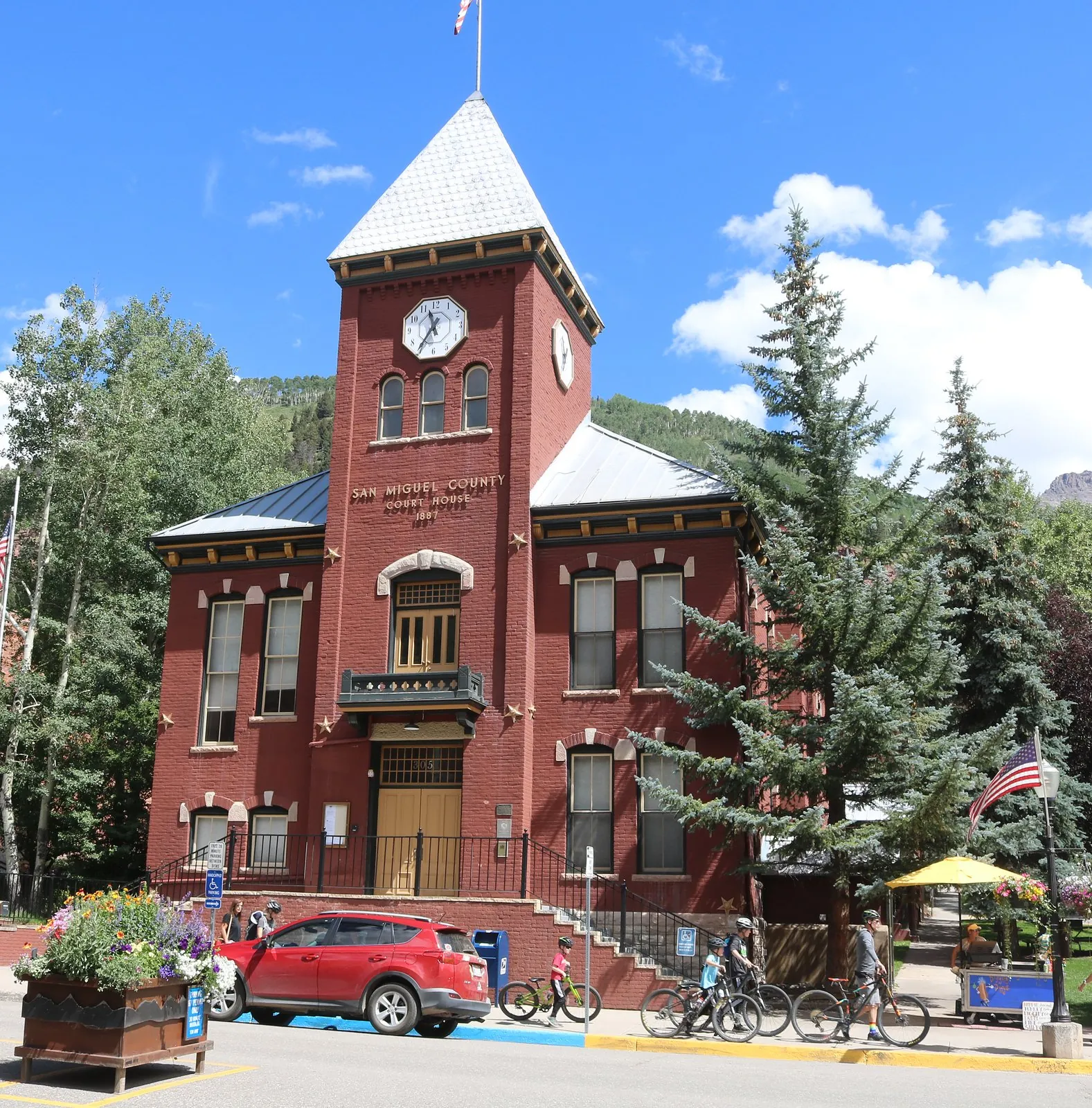
The San Miguel County Board of County Commissioners spent a Sept. 30 work session walking through the county's employee housing impact fee, the levy on new residential construction that funds affordable housing, while residents and developers warned the fee is curbing the very development the county needs. No vote was taken.
Deputy County Manager Jarrod Biggs laid out the mechanics for the board, the Telluride News reported Oct. 7. The fee applies to all new residential construction and additions in the unincorporated county within the Telluride R-1 School District, but not in the West End, Norwood, Sawpit, Mountain Village, Telluride or Ophir. The county's current rates run lower than Mountain Village's and Telluride's own town-established impact fees.
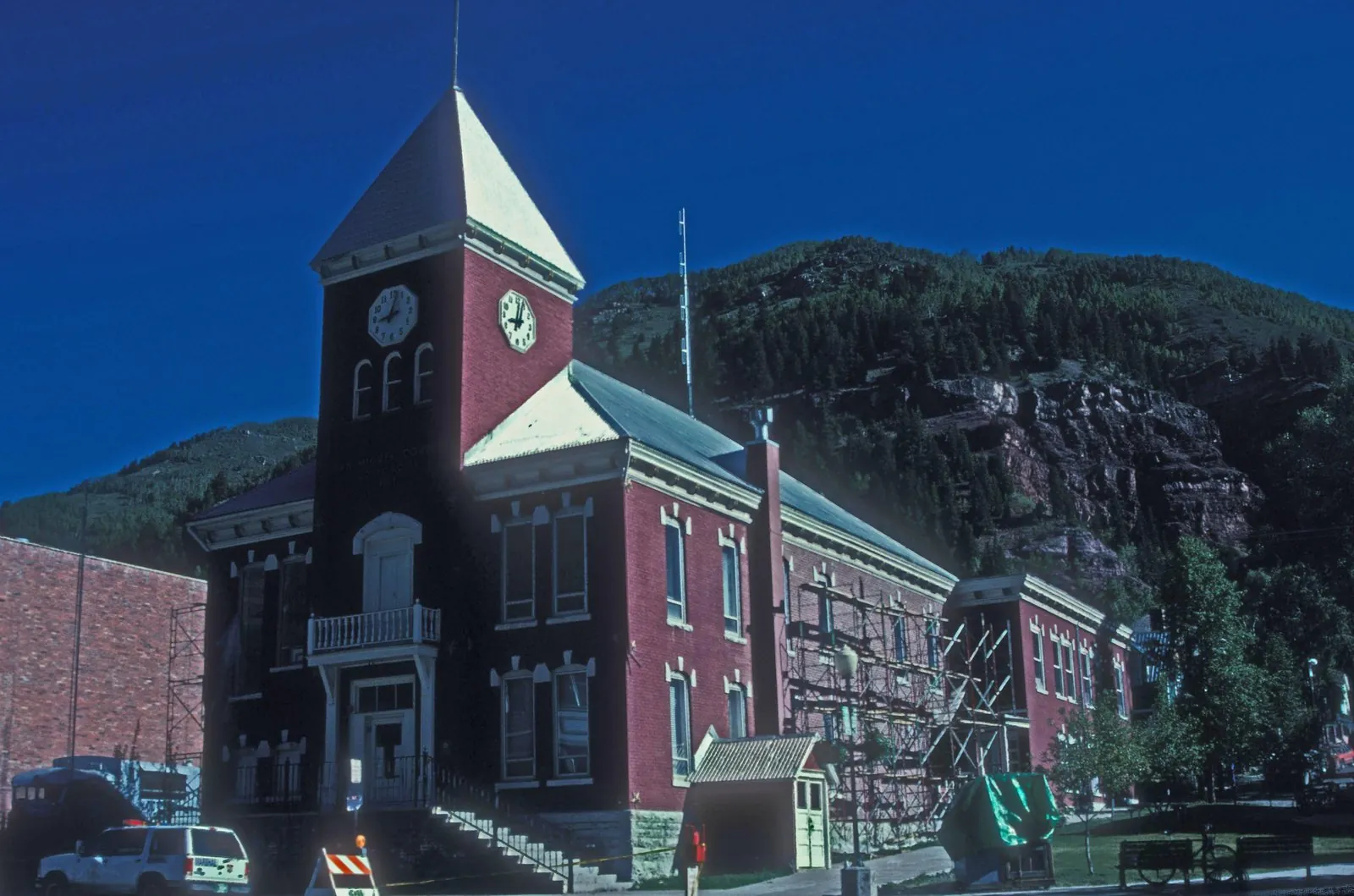
KLOTZ, CC BY-SA 3.0, via Wikimedia Commons
The county sets the fee from what Biggs called the "Market-Affordability Gap," the difference between market rates for multifamily housing and what families who qualify for affordable housing could actually afford. The current market gap is $1,112 per square foot, with a graduated mitigation rate of 18 to 90 percent depending on how much employee generation a developer must mitigate. Houses under 2,000 square feet are exempt. "Homes that are built in our community need people to maintain and work on them, and those people cannot afford to live anywhere near those homes," Biggs said of the rationale, according to the Telluride News.
Biggs's 2026 figures showed an average price per square foot above $2,500 for a single-family home and $1,800 for condos, against $490 to $566 for deed-restricted properties in the county in recent years. The 2026 four-person area median income is $131,000. Between July 12, 2023 and Sept. 14, 2026, 27 new homes in the R-1 district paid the fee, averaging 4,317 square feet of new floor area and an impact fee of $120,609.
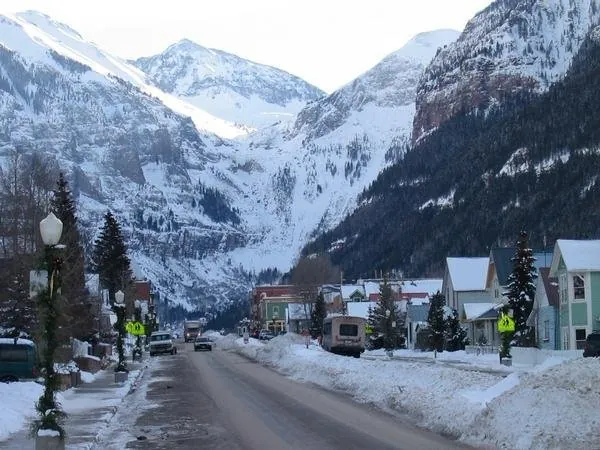
Urban~commonswiki, CC BY-SA 3.0, via Wikimedia Commons
Critics say the fee falls on the wrong people
Allison Ramsay, who is building a home in the county, told commissioners the fee lands hardest on full-time residents and should fall instead on second-home buyers who short-term rent their homes or on large-scale developments, the Telluride News reported. Dan Craft, the Alpine Bank branch president who sits on the county's housing stakeholder roundtable, said no one has built a deed-restricted accessory dwelling unit to offset the fee since rates rose, and urged the county to encourage affordable housing construction rather than simply collecting fees. Developer Joel Cantor, who has been involved in affordable housing development including a project in Ridgway, argued the county should prioritize incentivizing private-market affordable housing.
No changes, for now
Biggs noted developers can build a deed-restricted worker unit or deed-restrict other property to avoid part or all of the fee in some cases. Citizen Portal's coverage of the session reports commissioners asked residents and developers for practical alternatives, including deferred payments, accessory dwelling unit credits and permit waivers, and confirmed that updating the employee-generation study is on the county's to-do list.
"Four million dollars in our coffers is not much," Commissioner Galena Gleason said, acknowledging the opposition and adding that the county cannot make dramatic changes without other solutions in place, the Telluride News reported. The session ended with more study promised and no action taken.